Where the noise in a golf simulator room comes from

Most of the bang you hear comes from three places: the ball hitting the screen, vibration moving through the building, and the room bouncing sound around. Work out which one bothers you before you buy anything.
The strike on the screen
Screen makers treat the ball strike as the noise to deal with. One maker describes a foam backing that sits behind the screen and "reduces sound and softens each shot"1. It adds that the backing cushions the strike and helps dampen impact noise1. Another maker says a space inside its three-layer screen suppresses and dampens the noise when a ball hits2.
Those are maker claims. They come without a measured figure, so you can't compare two products on that wording alone. Ask for numbers. If a seller has none, treat the claim as a hope, not a result.
The strike sound is real enough that one kind of simulator uses it. A sonic system "measures and compares the intensity of sound that is produced by the ball hitting the screen"3.
The details of screens and nets, including how tight they sit and how far from the wall, are on the page about screens and nets.
The shake that travels
Sound doesn't only fly through the air. It also runs through solid parts of the building. One source says "most sound transfer from a room to the outside occurs through mechanical as opposed to airborne means"4. In plain words, the screen frame, the floor and the walls shake, and that shaking is heard in the next space.
This matters when you shop. The same source says acoustic foam and other absorbing materials are "less effective against this transmitted vibration"4. So foam panels on your walls won't fix a thud that someone feels through their floor.
The thud is covered on the page about mats and floors.
The room's echo
After the hit, the room keeps talking. Reverberation, often called reverb, is "a persistence of sound after it is produced"5. Hard, bare surfaces send sound back instead of soaking it up, so the sound lingers and the room feels boomy.
One source says acoustic panels can reduce "reflections that make the overall sound in the source room louder"4. Treating echo inside the room is a separate job from stopping sound leaving it, so the fix is different. More on that is on the page about echo and hard surfaces.
Sorting out what you hear
| What you notice | Likely source | Where to read more |
|---|---|---|
| A sharp slap when the ball lands | The screen or net strike | Screens and nets |
| A dull thump felt through a floor or wall | Vibration through the structure | Mats and floors |
| A boomy room that rings after the shot | Hard surfaces and echo | Echo |
Listen from two places, in the room and in the room next door. If the sharp slap is the problem in the room itself, look at the screen. If the next room hears a thud instead, the floor and frame matter more.
A phone or meter can put numbers on all of this. The page on measuring noise explains how, and what the numbers mean.
One safety note before you change anything. Check your own swing with a club before you build, and keep people out of the hitting area. Any change to the screen, its frame or its mounts should follow the maker's instructions, and structural work belongs with a qualified tradesperson. Balls bounce back off hard surfaces, so cover them near the hitting area as the maker's guide says.
Where the facts come from
- Golf Impact & Noise Absorbing Foam Backing, SimSpace Golf
- Golf Impact Projection Screen With Frame Enclosure, Elite Screens
- Golf simulator, Wikipedia
- Soundproofing, Wikipedia
- Reverberation, Wikipedia
Keep reading
 Impact screens and nets: why some are louder than othersWhat makers say about layers, foam backing, tension and wall gaps, and the questions to ask before you pay for a quieter screen or net.
 Hitting mats, floors and the thud you feel through the houseWhy a swing can be felt in another room, what floor impact ratings tell you, and what to ask about a mat or base layer before you buy.
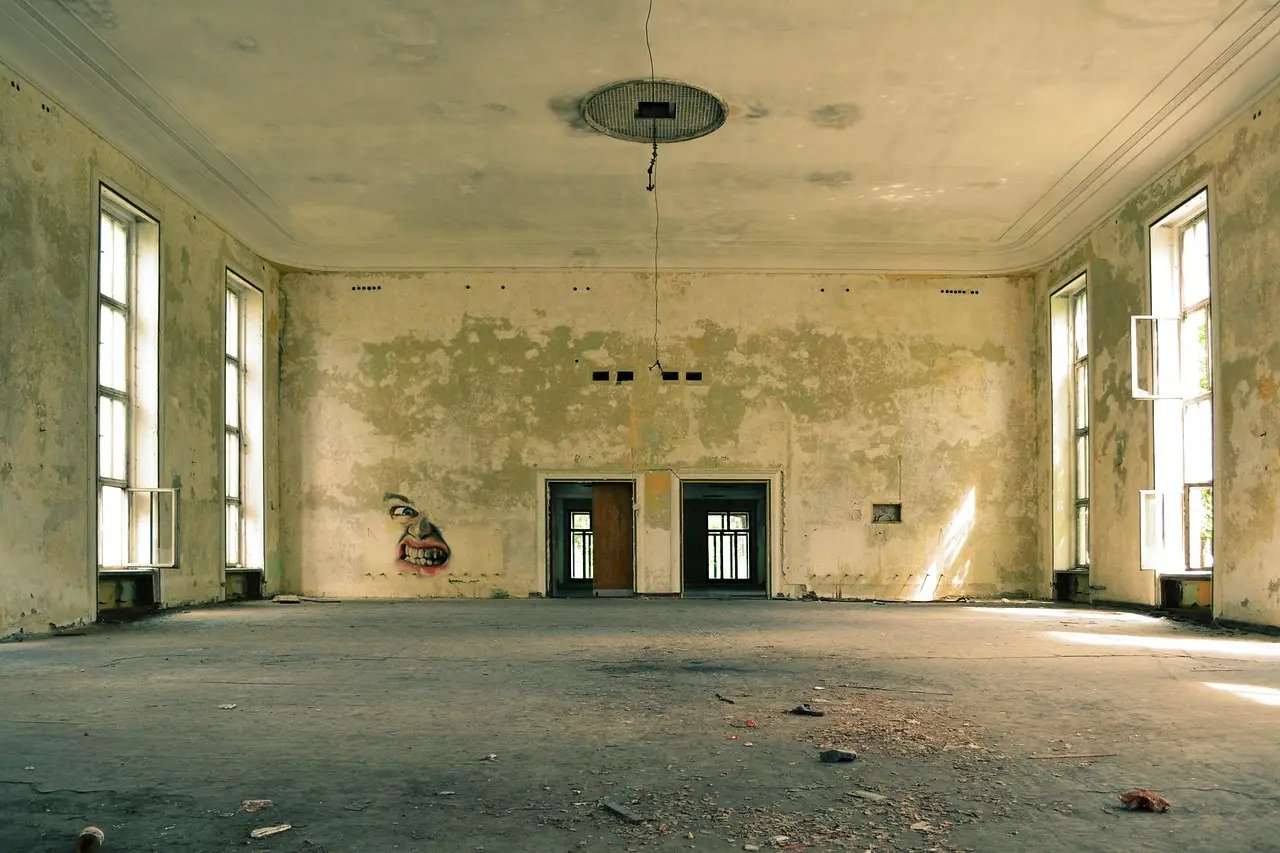 Echo in a simulator room: hard surfaces and how sound bouncesWhy a simulator room sounds boomy, which surfaces keep sound bouncing, and what absorbers and diffusers do, with the safety limits near the hitting area.