Echo in a simulator room: hard surfaces and how sound bounces
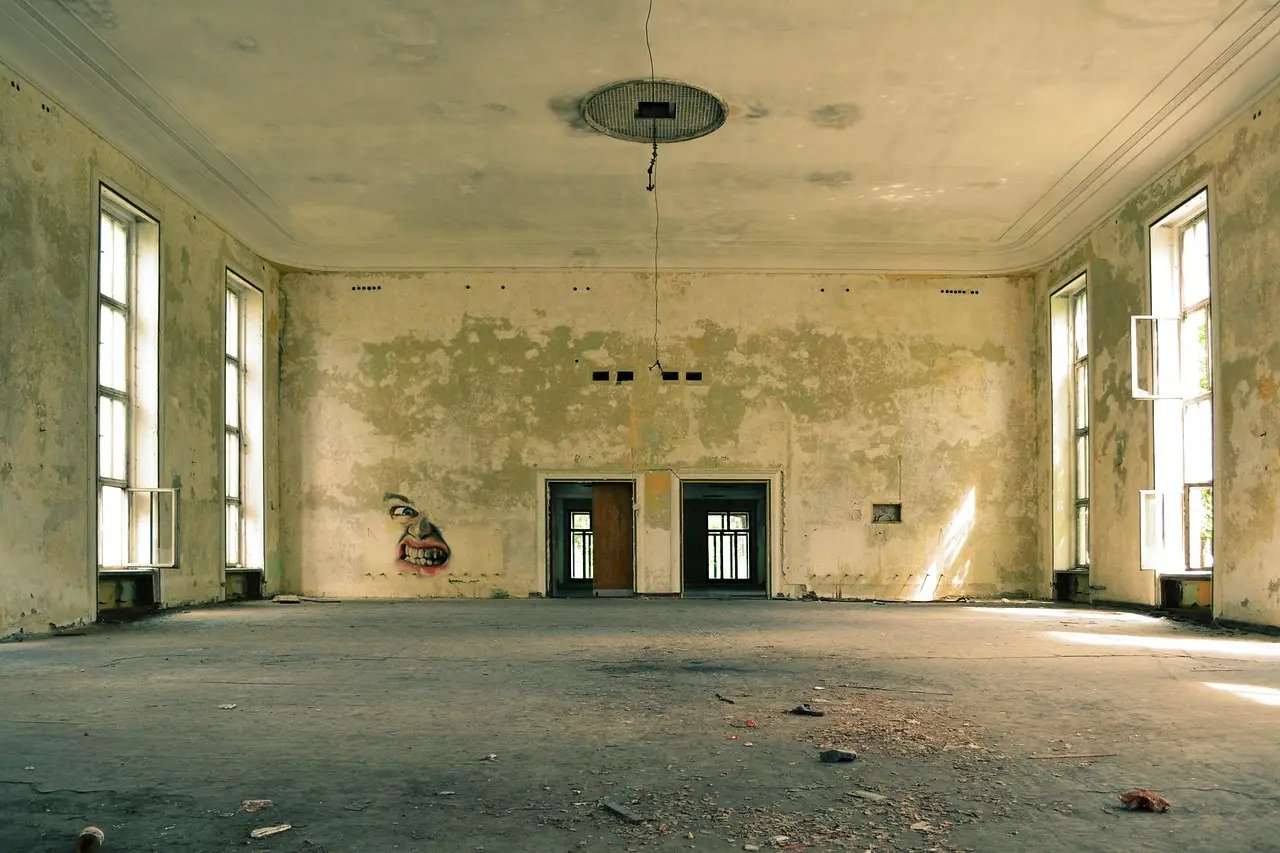
A boomy room is usually a bare room. Hard walls, floors and glass send sound back, and nothing soft is there to take it. You hear each shot for longer.
What echo is
Acousticians call it reverberation, or reverb: "a persistence of sound after it is produced"1. It's made when sound is reflected, "causing multiple reflections that build up and then decay as the sound is absorbed by the surfaces of objects in the space"1. That list of surfaces includes furniture, people and even the air.
Which surfaces cause it
How much a surface bounces sound back depends on what it's made of. One source puts it this way: sound hitting concrete reflects "much different" than sound hitting a softer material such as fibreglass2. In practice, think of the hardest, flattest things in the room first:
- Concrete floors and walls
- Any large, flat, bare wall
- Windows and glass doors
- A bare floor with no rug
A rug is a start. The same page says that "additional area rugs and furniture will help reduce unwanted reflection within the room"2. Soft furniture is a small step, but it's a cheap one.
Low sounds hang around longer
Reverb isn't equal across the sound range. The reverb source says most rooms "absorb less sound energy in the lower frequency ranges resulting in longer reverb times at lower frequencies"1. If your room still booms after you add soft things, that's likely why.
Foam is the usual fix people reach for, and it has a limit. One source says porous open-cell foams are highly effective across medium-high frequencies, while performance "can be less impressive at lower frequencies"2. So ask a seller how a product does at low pitches, not just high ones.
Absorbing or scattering
There are two ways to tame a reflection. An absorber soaks up energy. A diffuser scatters it. If a hard flat surface causes a problem echo, the source says an acoustic diffuser "may be applied to the surface"2. When you shop, ask a seller which job a product does. Many pages blur the two.
Also keep two ideas apart. Treating a room's echo makes the room itself less loud. It doesn't stop sound leaving. The same source says acoustic panels reduce reflections that make the sound in the source room louder, and that this comes after walls, ceilings and floors have been soundproofed2. For leaks to the next room, read about floors and thud.
The golf-ball problem
A real golf ball rebounds. That changes what you can put where.
Never hit into a bare wall or window. Cover hard surfaces near the hitting area as the maker's guide says. The impact screen is placed away from the wall for a reason: one maker warns that if a screen sits too close, "the ball may bounce back unpredictably"3.
Any panel, curtain or foam near the hitting area needs to be one the maker's guide allows. Check your own swing with a club before you fit anything. Keep people out of the hitting area. Use a qualified tradesperson for anything fixed to a wall or ceiling.
A buyer's checklist
- Which surface is hardest and flattest, and where might a ball reach it?
- Does the seller say whether a product absorbs or scatters?
- Does the maker say it's suitable in a room where balls fly?
- Is the claim for low sounds as well as high ones?
If you want numbers before and after, see how to measure the noise.
Where the facts come from
- Reverberation, Wikipedia
- Soundproofing, Wikipedia
- How Far Should Your Golf Impact Screen Be from the Wall?, SimSpace Golf
Keep reading
 Where the noise in a golf simulator room comes fromThe bang of a shot has several parts: the screen strike, vibration through the structure and the room's echo. Here's how to tell them apart.
 Impact screens and nets: why some are louder than othersWhat makers say about layers, foam backing, tension and wall gaps, and the questions to ask before you pay for a quieter screen or net.
 Hitting mats, floors and the thud you feel through the houseWhy a swing can be felt in another room, what floor impact ratings tell you, and what to ask about a mat or base layer before you buy.